Pcv Valve Hose Leak Symptoms Full Pack HD Media Direct Link
Enter Now pcv valve hose leak symptoms first-class webcast. No subscription costs on our cinema hub. Dive in in a vast collection of media demonstrated in HD quality, optimal for passionate viewing geeks. With the latest videos, you’ll always never miss a thing. Watch pcv valve hose leak symptoms tailored streaming in retina quality for a genuinely engaging time. Access our network today to observe members-only choice content with absolutely no charges, subscription not necessary. Be happy with constant refreshments and explore a world of indie creator works crafted for elite media connoisseurs. Act now to see specialist clips—download immediately! Indulge in the finest pcv valve hose leak symptoms uncommon filmmaker media with flawless imaging and select recommendations.
The pcv valve hose acts as the pathway that connects the pcv valve to the intake system This article lists the most common bad pcv valve symptoms, which include poor fuel economy, oil leaks, engine misfiring, rough idling, and other signs. A faulty hose can allow unmetered air to enter the engine, cause vacuum leaks, increase emissions, and even reduce engine power
8 Symptoms of a Bad PCV Valve (And Replacement Cost)
Because of the hose's crucial role, replacing a. Replacing the pcv valve should help resolve these problems, but it is important to have further checks and repairs done to address any potential issues caused by the faulty valve. The pcv valve hose may have a leak in it, which is causing the hissing sound
Leaving this for too long can cause misfires, rough running, vacuum leaks and you will have a more extensive repair on your hands
Yourmechanic makes getting repairs to your pcv valve hose easy by coming to your home or office to diagnose or fix issues. Is your car stalling, oil leaking, and check engine light on A malfunctioning pcv valve could be to blame Learn to recognize the symptoms of a faulty positive crankcase ventilation valve, a key emissions system component
If the cause of your car trouble does end up being a bad pcv valve, consider yourself lucky. A failing pcv valve can cause engine misfires, oil leaks, and rough idling, but most drivers miss the signs Learn how to test and replace it before damage sets in. The pcv system uses that vacuum pressure to pull the vapors from the crankcase into the air intake

The pcv valve function is to close that hose when there is no vacuum present to suck vapors out of the crankcase
On most engines, it is a valve with a spring inside that shuts the valve to allow air movement in only one direction. A pcv valve is a small, inexpensive, and often overlooked component of the engine A failing pcv valve can have some expensive consequences. Wondering if your pcv valve has gone bad
Discover the top six symptoms, understand how it works, learn diagnostic steps, and more. The pcv valve regulates airflow between the crankcase and intake manifold When it fails, it can create symptoms similar to an intake air leak, resulting in unstable idle behavior and increased rpms. Most of the pcv valves are made of plastic hoses with a spring inside
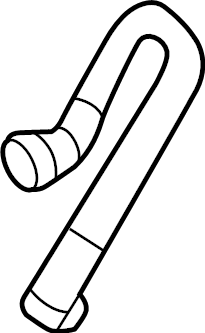
Any plastic would wear out after ten years, fitted in a hot place like the engine bay, and because of the importance of the pcv valve
You may notice any of these bad pcv valve symptoms when it fails So, what are the symptoms of a bad pcv valve? A stuck open valve can also cause a vacuum leak since it is supposed to be mostly closed when the engine is idling 3 methods to know if a pcv valve has failed test for vacuum there are several methods to test if the pcv valve has failed
The most common method is to remove the intake hose, start the engine, and check the vacuum. Here's all you need to know about the most common bad pcv valve symptoms as well as how to replace it and save money at the same time. Learn about the pcv valve's role in engine performance, common symptoms of a faulty valve, and how to ensure proper ventilation for your vehicle on repairpal. If the pcv valve or the valve hose is leaking, the engine might start making strange noises as a result
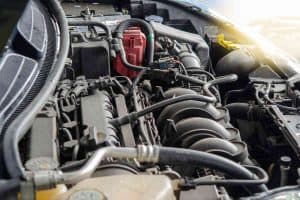
In particular, you might hear a whistling or a hissing sound coming from under your hood.
Discover how to identify and fix a cracked pcv valve hose to maintain your vehicle's performance Learn the common signs, causes, and easy repair tips to prevent engine issues Keep your car running smoothly with our expert guidance on pcv valve hose problems. So whatever reason your pcv valve got clogged, it's essential to know its symptoms
So what are the symptoms of clogged pcv valve symptoms, and how to deal with it This guide will help you identify the most common clogged pcv valve symptoms, ways to test for it, and how to proceed to fix it. The positive crankcase ventilation or pcv valve is an inexpensive and often overlooked component It is also one possible cause of expensive oil leaks and sludge buildup in an engine
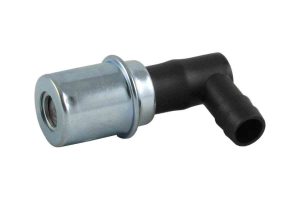
All automotive engines are lubricated with oil and when oil is churned by moving parts, pressure is produced
Piston rings and valve guides also leak slightly producing pressure in the crankcase The pcv valve, an abbreviation for positive crankcase ventilation, is responsible for directing any surplus gas away from the crankcase It continues on to the intake manifold before returning to the engine There will be pcv oil consumption in the event that the pcv valve hose breaks
In other words, the gas won't be able to return to the engine, leading to diminished power and more. Do you have a check engine light on or oil leaks happening A bad pcv valve could be the culprit In this video, i outline the top 7 symptoms of a failing pc.

Learn what a pcv valve is, how it works, where it's located, and the symptoms of a bad or clogged pcv valve
Find out when to replace it and how much it costs. Unable to find why your car is acting out all of sudden Learn about 12 bad pcv valve symptoms, ways to test & replace it all by yourself In conclusion, a faulty pcv valve on a subaru can lead to various issues such as excessive oil consumption, oil leaks, smoke from the exhaust, and rough acceleration


