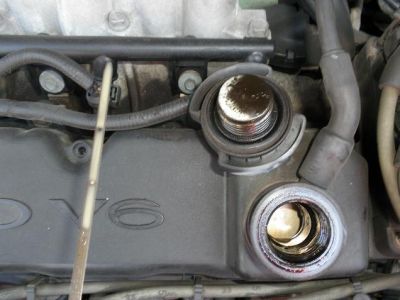
Coolant Leak Smoke Full Pack Vids & Images Fast Access
Claim Your Access coolant leak smoke exclusive on-demand viewing. Zero subscription charges on our binge-watching paradise. Experience fully in a comprehensive repository of curated content provided in Ultra-HD, the ultimate choice for prime viewing connoisseurs. With recent uploads, you’ll always be in the know. Seek out coolant leak smoke selected streaming in gorgeous picture quality for a genuinely gripping time. Sign up for our digital hub today to take in private first-class media with free of charge, access without subscription. Enjoy regular updates and explore a world of special maker videos produced for exclusive media junkies. You won't want to miss singular films—download quickly! Indulge in the finest coolant leak smoke singular artist creations with breathtaking visuals and hand-picked favorites.
Quick overview a coolant leak can lead to engine overheating, which can cause damage to the engine components A chemical test can detect the presence of coolant in engine oil, confirming an internal leak. If you suspect a coolant leak, it's crucial to diagnose and fix the issue promptly to prevent further damage and ensure the safety and longevity of your vehicle
Heavy Smoke, Low Coolant, Fluid leak | Chevrolet Cruze Forums
Check coolant level, examine hoses and radiator, perform a pressure test, and use a leak detector. A noticeable amount of steam or white smoke coming from the engine compartment could signify a coolant leak, especially if accompanied by a sweet smell Discover how coolant leaks can lead to smoke in your vehicle and the potential risks involved
This article explores the signs of leaks, causes, and how overheating creates smoke
Learn to identify the different types of smoke produced and the crucial preventive measures to maintain your car's performance White smoke from the exhaust can indicate various issues, including a leaking coolant system, a blown head gasket, or condensation in the exhaust system If the white smoke is accompanied by a sweet odor and other symptoms like low coolant levels, it's highly likely a coolant leak. What causes white smoke from a car's exhaust
White smoke often means coolant is leaking into the engine's combustion chamber or exhaust system—typically caused by one of the following A damaged gasket allows coolant to enter the combustion chamber, producing thick white smoke. A coolant leak can result in white smoke emanating from the exhaust pipe, signaling a major mechanical failure within the engine system White smoke from the exhaust can be a symptom of a coolant leak, which can lead to serious engine damage if left unchecked
By understanding the causes, symptoms, and diagnostic methods, you can identify and address a coolant leak promptly, preventing costly repairs and ensuring the longevity of your vehicle.
Yes, low coolant can cause smoke if your vehicle overheats or leaks coolant into the combustion chamber Engine smoke often indicates a serious issue that requires immediate attention. When a coolant leak occurs, it can cause the coolant to escape and mix with the engine oil, leading to a range of problems. Discover how a coolant leak can lead to white smoke from your vehicle's exhaust in our comprehensive guide
Learn to identify the signs of a leak, including symptoms like sweet smells and overheating We'll outline possible causes, from damaged gaskets to cracked blocks, and provide essential tips for diagnosis and repair Act now to prevent major engine damage and keep your car running smoothly! Discover whether spilled coolant can actually cause smoke in your vehicle's engine

This article explores the relationship between coolant leaks and smoke production, highlighting the causes of spills and the importance of regular inspections
Equip yourself with crucial knowledge to. This can occur due to various reasons, including a blown head gasket, a cracked cylinder head, or a faulty water pump A coolant leak can also lead to white smoke if the leak is significant enough to allow coolant to enter the combustion chamber. What causes white smoke from engine
The most common cause of white smoke coming from the engine is an external coolant or oil leak The external coolant leak could also come from an overheating engine, which pushes the coolant out of the system into the engine bay. Discover the critical issue of coolant leaking into your vehicle's exhaust and the potential risks it poses, including engine overheating and damage This article outlines the symptoms, causes, and types of coolants, helping you identify and address leaks effectively

Learn to recognize warning signs like white smoke and sweet odors, and understand the significance of regular maintenance.
Discover how low coolant levels can lead to overheating and engine smoke in our comprehensive guide Learn about the critical role coolant plays in temperature regulation, the warning signs to watch for, and the potential damage that can occur from neglecting this vital fluid Arm yourself with essential maintenance tips to keep your engine running smoothly and avoid. Is white smoke coming from your car's exhaust
Discover the crucial connection between low coolant levels and engine problems in our comprehensive article We explore how coolant prevents overheating and the signs of a coolant leak, such as white smoke, sweet smells, and dashboard alerts Learn preventative maintenance tips to keep your engine healthy and avoid costly repairs If your coolant level is low, but no leak is visible, the head gasket may be faulty

Most head gasket leaks are internal, meaning coolant seeps into the combustion chambers and burns up instead of collecting on the ground
The coolant residue exits through the exhaust system and out the tailpipe as thin smoke. These issues can cause severe engine damage Why is my car smoking under the hood Is a common concern, as car smoke under the hood is alarming and can indicate various problems
An oil leak can cause oil to drip onto hot engine parts, resulting in smoke Similarly, a coolant leak can create steam, which looks like smoke. If the water pump develops a leak, it can cause the coolant to escape, leading to white smoke from the exhaust The radiator is responsible for cooling the coolant as it circulates through the engine
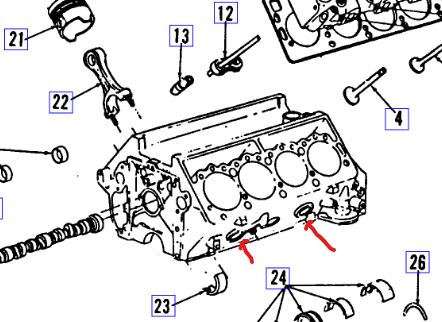
If the radiator develops a leak, it can cause the coolant to escape, leading to white smoke from the exhaust.
However, a coolant leak can have severe consequences, including the potential to cause smoke In this article, we will explore the relationship between coolant leaks and smoke, examining the causes, effects, and solutions to this common problem. Coolant leaks into the combustion chamber can result from head gasket failure, cracked engine blocks, cylinder head cracks, and worn seals or gaskets Key signs of coolant leaks include white smoke from the exhaust, frequent engine overheating, a sweet smell, and loss of coolant without visible leaks.
White smoke under the hood can be alarming for any vehicle owner It often signifies serious issues like a coolant leak or a blown head gasket, both of which can lead to severe engine damage if not addressed promptly Coolant leaks typically occur when the radiator or hoses are damaged, causing coolant to vaporize and create white smoke. While excessive coolant itself may not directly cause smoke, it can contribute to leaks and contamination that lead to visible smoke from the exhaust
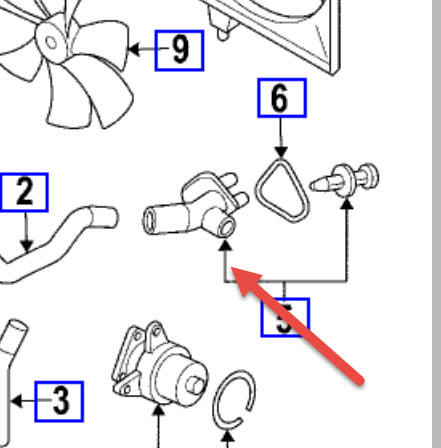
Recognizing the characteristics of coolant smoke, such as its color, smell, and visibility, can help differentiate it from other potential causes.