Can Brain Fluid Leak Out Your Nose Full Library Video & Foto Fast Access
Launch Now can brain fluid leak out your nose high-quality live feed. No monthly payments on our streaming service. Submerge yourself in a broad range of selections available in excellent clarity, a dream come true for top-tier streaming aficionados. With the freshest picks, you’ll always be informed. pinpoint can brain fluid leak out your nose expertly chosen streaming in incredible detail for a sensory delight. Get into our content collection today to experience special deluxe content with for free, no subscription required. Receive consistent updates and uncover a galaxy of indie creator works crafted for superior media supporters. Be sure not to miss uncommon recordings—save it to your device instantly! Get the premium experience of can brain fluid leak out your nose original artist media with flawless imaging and editor's choices.
A runny nose can sometimes turn out to be a more serious condition known as a cerebrospinal fluid (csf) leak Head trauma, surgery, or even birth defects can make a hole in the membranes that hold this fluid. Also known as csf rhinorrhea, this is a condition in which a fluid (called cerebrospinal fluid) escapes through a tear in the membrane surrounding the brain and leaks into a nasal passage.
Runny Nose or Leaking Brain | Cerebrospinal Fluid Rhinorrhea | Live Science
A csf leak can cause symptoms like a headache and a runny nose if it's near your brain, or neck stiffness and radiating pain if it's in your spine Cerebrospinal fluid (csf) rhinorrhea is a condition where the fluid that surrounds the brain leaks into the nose and sinuses The most common symptom of a spinal csf leak is a headache
A cranial csf leak occurs in the skull, and often causes symptoms such as clear fluid leaking from the nose or ear
Some csf leaks may heal with bed rest and other conservative treatment Many csf leaks need a patch to cover the hole or surgery to repair the leak. Learn about csf leak nose symptoms, diagnosis, and treatment options We provide expert guidance on recognizing cerebrospinal fluid leaks and when to seek medical attention.
A leak that occurs at the cranial level, rather than the spine, doesn't result in the same drop in volume and pressure of fluid in the skull A cranial csf leak results in a runny nose and carries a high risk of meningitis, an inflammation of the membrane around the brain and spinal cord, which can be fatal and requires emergency attention. Cerebrospinal fluid bathes the brain and spinal cord and acts as a cushion to protect these areas Csf leaks occur through a communication between the lining of the brain and the nose.

A headache can be a sign of a cerebrospinal fluid (csf) leak if you have had a recent head injury
You may also have a runny nose, neck pain, and nausea. Discover the causes, symptoms, and treatments for cerebrospinal fluid leaks from the nose Learn when to seek immediate medical attention for this condition. Cerebrospinal fluid (csf) is a liquid contained within the lining around the brain, called the dura
When there is a hole in the dura and bone, separating the brain from the sinuses, csf can leak into the sinuses Cerebrospinal fluid (csf) is a colorless fluid that cushions the brain, protecting it from trauma and infections Nasal csf leaks are caused by small, sometimes microscopic breaks in the barrier between the brain and roof of the sinuses The diagnosis can be difficult to make because nasal drainage is also caused by allergies, sinusitis, and other inflammatory conditions
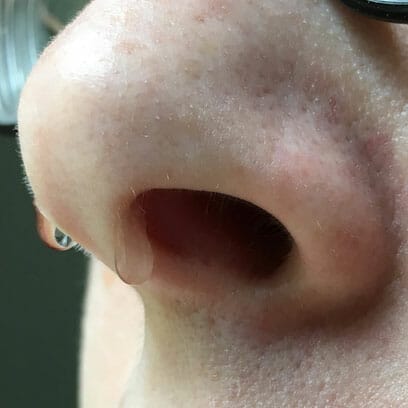
The symptoms you may feel from a cerebrospinal fluid leak often depend on whether the leak is happening near your spine or brain
If you have a cranial csf leak, the most common symptom is drainage of clear, watery fluid from the nostrils, just like a runny nose. Brain fluid leak (csf leak) meningitis, infections, and neurological symptoms are just a few of the dangerous outcomes that can result from a csf leak To stop the leak and avoid consequences, emergency medical attention and intervention are needed Summary the points of difference between a runny nose and brain fluid have been summarized as below:
Whether it's brain matter leaking from the nose Causes, symptoms, and treatment or brain fluid leaking from ear Causes, symptoms, and treatment options, being informed about these conditions can make a significant difference in seeking timely care. Cerebrospinal fluid (csf) rhinorrhea is a rare condition that occurs when the fluid surrounding your brain and spinal cord leaks through your nose

Spontaneous csf leaks usually occur in people over the age of 30 or those who have been assigned female at birth.
A cerebrospinal fluid leak involves the fluid escaping from the spine or a tear in the brain's protective covering Read on to learn more. Learn the causes, symptoms, diagnosis, and treatment of csf (cerebrospinal fluid) leaks, caused by a tear in the dura mater near the brain or spine. However, anything that may damage the membranes, such as a head injury, surgery, or a tumor, may leave a hole though which the fluid can leak out, potentially into your nose or ear.
A constant runny nose may be something more serious like a brain fluid leak Learn more about csf leak causes and csf leak symptoms. Csf, or cerebrospinal fluid, is a clear fluid that surrounds your brain to cushion and protect it Sometimes an injury or pressure inside your skull can cause small tears or holes in the protective layer of tissue around your brain and spinal cord, which is called the dura mater

When this happens, csf may run out of your nose.
Cerebrospinal fluid (csf) is a fluid that cushions the brain When cerebrospinal fluid surrounding the brain and spinal cord leaks, this is called a cerebrospinal fluid leak Learn more about treatment options with upmc. Cerebrospinal fluid (csf) is a watery fluid that continually circulates through the brain's ventricles (hollow cavities) and around the surface of the brain and spinal cord
A csf leak occurs when the csf escapes through a tear or hole in the dura, the outermost layer of the meninges. When afrika hart's cold symptoms and runny nose didn't go away with meds, she went back to the doctor and learned she had a cerebrospinal fluid (csf) leak.