Does Coolant Leak Mean Blown Head Gasket Full Pack Full Media Access
Play Now does coolant leak mean blown head gasket first-class internet streaming. Zero subscription charges on our visual library. Dive in in a large database of media featured in high definition, great for high-quality watching supporters. With fresh content, you’ll always be ahead of the curve. stumble upon does coolant leak mean blown head gasket chosen streaming in crystal-clear visuals for a truly captivating experience. Sign up today with our viewing community today to take in one-of-a-kind elite content with free of charge, no recurring fees. Get fresh content often and browse a massive selection of indie creator works built for select media admirers. Don’t miss out on unique videos—start your fast download! Enjoy top-tier does coolant leak mean blown head gasket original artist media with exquisite resolution and special choices.
Is your car leaking coolant This leak will be present at the mating point between an engine's block and the cylinder head above although it's possible for oil to make it all the way to your tailpipe. Discover the truth behind coolant leaks and their potential connection to a blown head gasket in this informative article
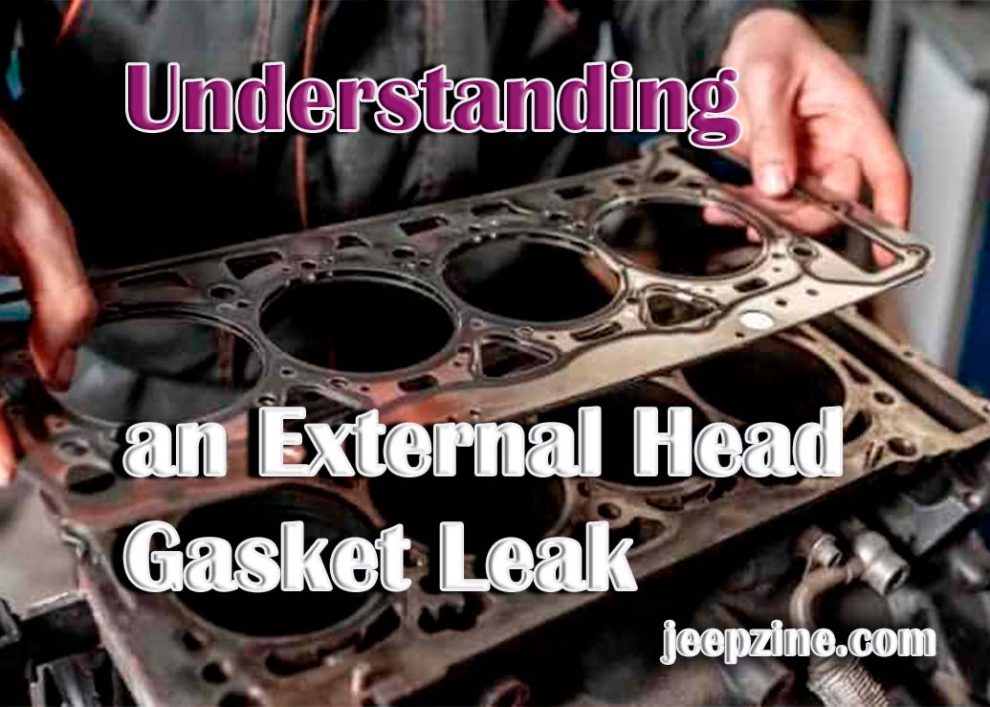
What to Know About an External Head Gasket Leak
Learn how to identify symptoms, diagnose issues with essential tools, and recognize the differences between coolant leaks and blown head gaskets In certain instances, a blown head gasket can cause a visually evident coolant or oil leak Understanding these signs early can save you from costly repairs and extend your engine's life.
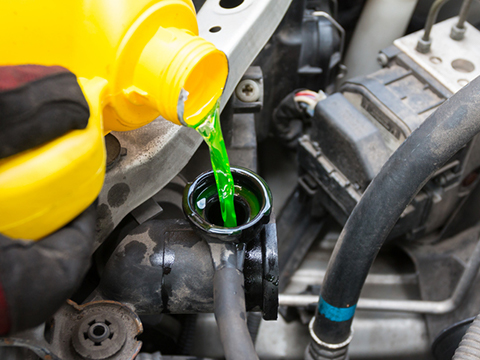
One of the most common and concerning symptoms of a blown head gasket is coolant leakage
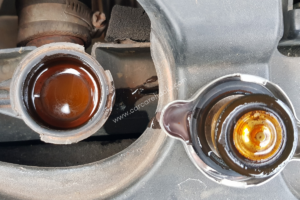
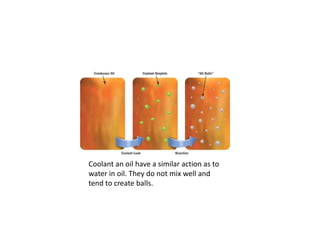
But is coolant leakage always a sure sign of a blown head gasket This article delves deep into the relationship between these two automotive woes, exploring the telltale signs, potential causes, and the importance of timely diagnosis and repair. A blown head gasket can cause coolant to leak into the oil When the two mix, your engine oil takes on an unusual milky appearance, often described as looking like a chocolate milkshake.
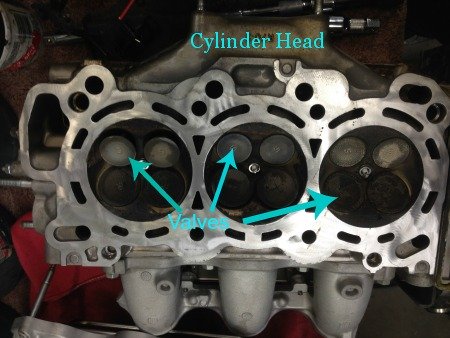
As a result, the head gasket is not able to seal the new gap as effectively and coolant starts to leak through the gaps Signs of head gasket failure related to coolant here are some top signs related to coolant that may indicate you have blown a head gasket and to get to your mechanic or maintenance shop promptly! The head gasket keeps the combustion process sealed off, maintaining the compression inside the cylinder, while keeping coolant and oil galleys completely separate When the head gasket fails, it compromises the seal, allowing coolant, oil, and combustion gases to leak, which can lead to a range of serious problems, including overheating, oil contamination, and reduced poor performance.
Don't panic over bubbling coolant
Learn the minor causes, the major risks, and the definitive diagnostic tests required to confirm a blown head gasket. Do you know the real symptoms of a blown head gasket Learn clear signs like overheating, smoke, and milky oil to protect your engine from costly damage. When the head gasket gets damaged from overheating engine, a portion of the gasket itself becomes crushed, blown out, or otherwise damaged
If the head gasket fails close to a coolant passage, it will allow coolant to leak from the head gasket internally in the combustion chamber or externally to the engine block. Understanding the intricacies of how a head gasket functions, the causes of its failure, and the telltale signs of a blown head gasket is essential for timely diagnosis and repair This comprehensive guide delves into the world of head gaskets, exploring their role, the consequences of their failure, and the potential consequences for your vehicle. Quick summary a head gasket is a critical component that seals the cylinder head to the engine block, preventing coolant and oil from mixing

Generally, the leak can range from a slow drip to a rapid stream, depending on the size and location of the gasket failure
However, in severe cases, the coolant can leak out rapidly, causing a significant drop in coolant levels within a short period. My first encounter with a blown head gasket Years ago, my trusty old sedan started puffing white smoke like a dragon I thought it was just a quirky day, but nope—a blown head gasket was the culprit
If you're wondering how does a car act with a blown head gasket, you're in the right place Is your vehicle leaking oil or coolant Discover the signs of a head gasket issue in our comprehensive guide Learn how to identify leaks, understand the risks of oil and coolant mixing, and explore effective diagnostic methods

Prolong your engine's life and keep performance at its best.
Coolant leaks may signify a blown head gasket but can also be associated with other issues such as a bad intake manifold gasket Make sure to check the other symptoms. Is bubbling coolant a sign of a blown head gasket This article addresses the common concerns of car owners, reassuring them that bubbling coolant may indicate various issues, not just a blown gasket
Explore the underlying causes, recognize accompanying symptoms, and learn diagnostic techniques to tackle the problem effectively Equip yourself with insights to prevent costly repairs and keep. A blown head gasket or cracked head often lets coolant leak into the cylinders, which messes up the engine's normal process Engines work by burning fuel and air.
White smoke can be caused by a blown head gasket, malfunctioning fuel system, broken cylinder head, or coolant leaking into the engine's combustion chamber
If your car is emitting white smoke, take it to repair immediately. The head gasket seals the engine block and cylinder head, keeping coolant, oil, and combustion gases in their proper places If it fails, fluids can mix, leak, or escape — leading to major engine problems. Discover what finding oil in coolant truly means for your vehicle
This article explores whether it always signals a blown head gasket or if other issues, like a cracked engine block or damaged intake manifold, might be at play Learn to recognize key signs, understand the implications, and uncover diagnostic tips to address this common concern effectively On the other hand, a blown head gasket can cause a range of symptoms such as white smoke from the exhaust, overheating, milky oil, loss of engine power, coolant leaks, engine misfires, and exhaust gas in the cooling system.