Radiator Hose Leaking Coolant Full Collection Vids & Pics Direct
Go Premium For Free radiator hose leaking coolant first-class streaming. No subscription costs on our viewing hub. Experience the magic of in a great variety of films featured in crystal-clear picture, designed for discerning streaming lovers. With trending videos, you’ll always never miss a thing. Watch radiator hose leaking coolant tailored streaming in crystal-clear visuals for a totally unforgettable journey. Hop on board our streaming center today to witness select high-quality media with absolutely no cost to you, without a subscription. Be happy with constant refreshments and investigate a universe of special maker videos conceptualized for exclusive media admirers. This is your chance to watch singular films—get it in seconds! Experience the best of radiator hose leaking coolant unique creator videos with impeccable sharpness and select recommendations.
A leaking radiator hose clamp is a common yet potentially serious issue that can affect your vehicle's cooling system Engine overheating, poor performance, and perhaps… If left unaddressed, it can lead to engine overheating, coolant loss, and costly repairs
4 Reasons Your Coolant's Hose Is Leaking
Understanding why radiator hose clamps leak, how to fix the issue, and what preventive measures to take can help maintain the health of your vehicle's cooling system. Radiator hoses are essential in a car's cooling system because they transport coolant from the engine to the radiator So what causes coolant hoses to leak
Here's the top issues we see among today's cooling system hoses.
A permanent repair usually involves replacing the damaged component, which starts with safely draining the existing coolant into a suitable container for proper disposal Replacing a leaking radiator hose on your car is fairly easy All you need are a few basic tools, a basic knowledge of how your vehicle is designed, and some replacement coolant While you can always tape the gap up to prevent more liquid from leaking out of the hose, you're best off solving the problem permanently
You can save money on a mechanic and leave yourself with a sense of. Coolant leaks coolant leaks are one of the most common symptoms of a faulty radiator hose They happen when the hose either deteriorates due to heat or abrasive damage, or when there's a problem with the clamps that connect the hose to another component in the engine If a radiator hose is leaking, there are a few signs to look for
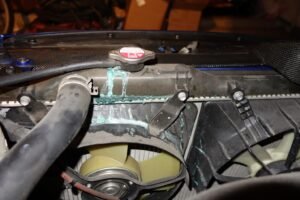
A pool of fluid under the car when it's been parked small.
When you are all done, you'll know more about the price to fix a coolant leak and find a few helpful answers to your top questions Common reasons for a coolant leak some of the most common reasons to see coolant under the car are a leaking radiator hose, a bad water pump or a loose radiator hose clamp. A faulty radiator hose, connectors, or loose clamp torque is popular and easy to detect This is the most common cause of old and new radiator hose leaking
Low coolant levels coolants should always stay at the recommended levels at all times And low coolant levels are one of the common causes of engine overheating. Understanding coolant leaks coolant is an essential fluid That is, if you do not have the right amount of fluid, you are asking for serious trouble that may include substantial engine damage
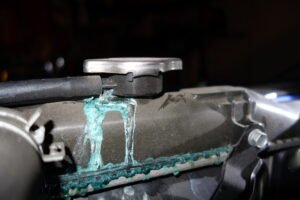
As such, you should routinely check your car's coolant levels
If you regularly find that you are adding new fluid to your system, there is a good chance you have a coolant leak Updated on may 3, 2023 radiator hoses play a critical role in a vehicle's cooling system by carrying coolant between the engine and the radiator If there's a leak at the clamp of a radiator hose, it could cause engine overheating, decreased performance, and potentially engine damage Several factors can cause radiator hose leaks
Identifying and understanding leaking coolant hoses what are coolant hoses Coolant hoses, also known as radiator hoses, are an essential component of a vehicle's cooling system They play a crucial role in transferring coolant, a mixture of water and antifreeze, from the radiator to the engine and back again. When you own a car, fixing a problem like a radiator hose leak at clamp is as easy as swapping out a few parts
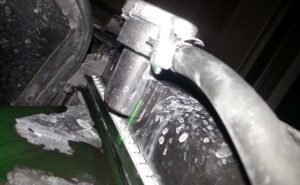
New coolant, essential tools, and familiarity with your vehicle's design are required.
Summary radiator hoses manage the flow of coolant fluid in the vehicle's cooling system Symptoms of a bad radiator hose include broken radiator hose clamps, coolant crust near the hose, coolant fluid leaks, low coolant levels, engine overheating, and a swollen or damaged radiator hose You should replace bad radiator hoses as soon as possible. Coolant hoses are designed to withstand high temperatures and pressure, but over time, they can deteriorate, crack, or develop leaks
A coolant hose leak, though seemingly minor, can quickly escalate into a major problem if left unattended. A coolant leak from a hose can be a major headache, but it doesn't have to be With the right tools and techniques, you can stop the leak and get your car Other signs include fluid leaks on your driveway or garage floor
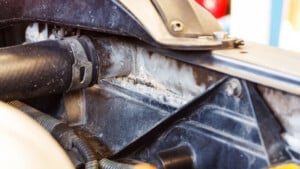
If you spot green or orange fluid, it typically means coolant is leaking, and you should inspect the radiator hose for cracks or wear
A faulty water pump could also cause coolant to leak, so it's worth checking the water pump for any symptoms of leakage. Discover the causes, signs, and solutions for a leaking radiator or coolant hose leak Learn how to address this common automotive issue effectively. Putting on new hoses also seems prudent and consider any lost coolant if you don't collect it, another good flush if you did just a drain/refill which only gets a portion of the coolant out of the block.
A leaking coolant hose can lead to overheating, engine damage, and even a breakdown If you're facing this issue, don't panic Fixing a coolant hose leak is a Leaking coolant, low coolant, or engine overheating are all signs you need a new radiator hose
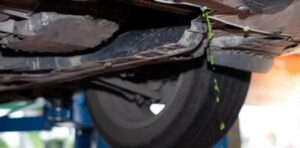
When that happens, replacing the hose is a relatively straightforward job and you can quickly get your vehicle back on the road.
Common signs include leaking coolant, engine overheating, the low coolant light coming on, and radiator hose damage or collapse. Why the coolant leak in cold weather happens and how to fix the coolant thickens and loses its ability to flow freely in cooler temperatures, making engine coolant leakage more likely In addition, as the engine coolant freezes, pressure in the coolant system when cold rises, increasing the risk of leaks from coolant hoses and gaskets. Introduction to radiator hose leaks radiator hose leaks are a common issue that can cause significant problems for vehicle owners
The radiator hose is a critical component of a vehicle's cooling system, responsible for transporting coolant between the engine and the radiator. I always keep extra coolant in my toolbox just in case but i sure would like to fix the leak I was able to locate where the leak is coming from and it looks like an easy fix The lower radiator hose and the upper radiator hose are two parts of a larger system that helps move water to and from the radiator

What are the signs of a bad radiator hose
There aren't many warning signals that a radiator hose isn't up to snuff


