Coolant Leaking Into Oil 2026 Folder Vids & Pics Get Now
Open Now coolant leaking into oil signature content delivery. Complimentary access on our cinema hub. Be enthralled by in a wide array of series demonstrated in top-notch resolution, optimal for top-tier streaming mavens. With brand-new content, you’ll always know what's new. Discover coolant leaking into oil selected streaming in vibrant resolution for a genuinely engaging time. Register for our community today to look at subscriber-only media with for free, subscription not necessary. Experience new uploads regularly and venture into a collection of original artist media intended for exclusive media lovers. You have to watch uncommon recordings—click for instant download! Indulge in the finest coolant leaking into oil singular artist creations with true-to-life colors and featured choices.
This fluid contamination indicates a mechanical failure allowing the liquids to intermingle Arm yourself with knowledge to keep your vehicle running smoothly. Identifying the root cause is key to fixing the issue and saving your engine from catastrophic damage
Coolant in Oil: Symptoms, Causes and Fixes – Rx Mechanic
Here are the most common causes of coolant getting into oil, what to do, and how much it's. Uncover essential maintenance tips to prevent costly repairs and ensure optimal engine health If you find no coolant leaks, you can check the oil level to see if the oil is getting into the crankcase
When you notice a coolant leak without drooping on the ground or any visual on the engine bay, chances are the coolant has missed its passageway to the oil pan
Antifreeze in oil has a sweet smell. An internal coolant leak occurs when engine coolant, a blend of water and antifreeze, finds a pathway out of the cooling system and into the engine's oil passages or directly into the combustion chamber This is not a simple external drip but a catastrophic mixing of fluids that are designed to operate in complete isolation from one another Since the engine relies on the distinct properties.
Coolant leaking into engine oil is a serious issue that can signal a failing gasket, cracked component, or another internal failure When coolant mixes with oil, it can reduce lubrication, cause overheating, and lead to expensive damage if not addressed promptly. Discover the critical issue of coolant leaking into engine oil in our comprehensive article Learn to identify the early signs like milky oil and overheating, understand common causes from head gasket failures to cracked blocks, and explore preventative maintenance tips
Safeguard your engine against severe damage by recognizing the symptoms and taking swift action
Discover how to fix coolant mixing with oil in your car Common causes of coolant leaks into engine oil coolant leaking into engine oil is a serious issue that can lead to significant engine damage if left unaddressed One of the most common causes is a blown head gasket This crucial component seals the engine block and cylinder head, and when it fails, coolant can seep into the oil passages
A blown head gasket can occur due to overheating. We'll walk you through how coolant can leak into your oil, what it looks like when it happens, and why it's important to address the problem the right way How does coolant get into oil A blown head gasket is the most common culprit for this issue, letting coolant seep into oil passages or even a cylinder.
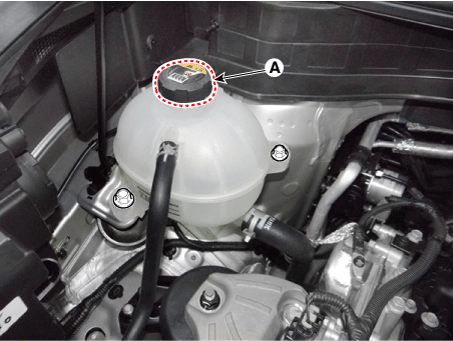
Why coolant enters the oil several factors can contribute to coolant leaking into the engine oil
A common culprit is a compromised head gasket This gasket seals the combustion chambers from the cooling system When it fails, coolant can seep into the oil passages Cracked engine block damaged cylinder head faulty water pump leaking radiator recognizing the.
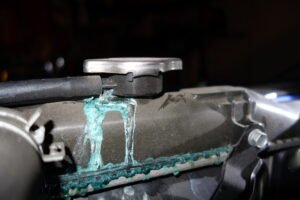
How to prevent coolant from leaking into engine oil the best ways to prevent coolant from leaking into the engine oil include regular maintenance, addressing problems as soon as they manifest, and applying sealant to the radiator to prevent leaks. Coolant system leaks leaks in the cooling system, such as a faulty radiator hose or a leaking water pump, can also contribute to coolant contamination While these leaks may not directly introduce coolant into the oil, they can cause coolant to pool around the engine, potentially seeping into the oil pan over time. This is because coolant contains water and other additives that don't mix well with oil
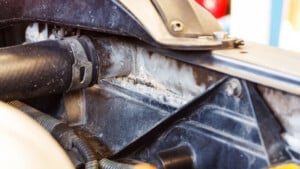
As coolant leaks into the oil, it reduces the cooling capacity of the coolant system, which can lead to engine overheating
If coolant is leaking into the oil, the coolant level in the reservoir will gradually decrease. Discover the symptoms and causes of coolant in oil, how to fix coolant in engine oil, and protect your engine from costly damage. Oil, on the other hand, lubricates moving parts and prevents wear and tear on the engine However, a common concern among car owners is whether coolant can leak into oil
In this article, we will delve into the world of coolant and oil, exploring the possibility of coolant leak into oil, the causes, and the consequences A failure in this specific gasket allows coolant to leak directly into the engine's oil sump, resulting in the same milky contamination as a head gasket failure A less common, yet serious, cause is an internal failure of the engine's oil cooler, a heat exchanger that uses engine coolant to regulate oil temperature. Look for milky oil, frequent overheating, and a sweet smell from the exhaust as potential signs of coolant contamination
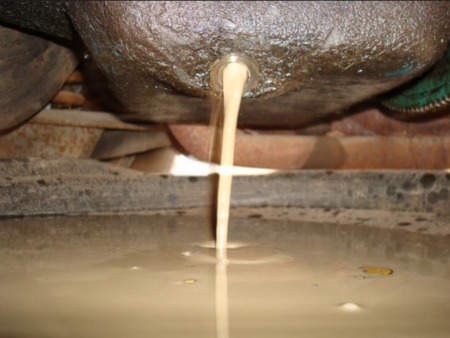
Regular maintenance, monitoring fluid levels, and using quality parts are essential for preventing coolant leaks into engine oil.
Their roles and interactions before we explore the signs of coolant leakage into oil, it's essential to understand the distinct roles these fluids play in your vehicle's engine. Coolant leaking into oil can be a serious issue, potentially leading to engine damage if left unaddressed This comprehensive guide will delve into the telltale signs of coolant contamination in your oil, exploring the causes, consequences, and steps you can take to protect your vehicle. If you don't find the typical signs associated with coolant leak into the engine oil, but find traces of sludge under the oil filler cap, check the pcv valve
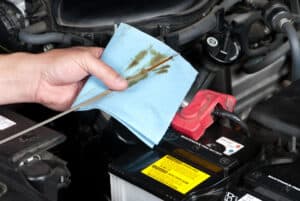
You can find some help in the resources section at the end of this post, and in your repair manual. In some cases, coolant can also leak into the engine oil, creating a milky or frothy appearance on the dipstick This indicates a more severe leak and can cause significant engine damage if left unaddressed. Is coolant leaking into your engine
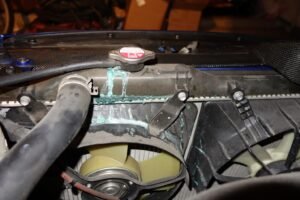
Discover the warning signs, such as strange smells and puddles under your car, that indicate potential coolant issues
This article explores how coolant can enter the engine, the severe consequences of leaks, and essential preventive measures Learn to monitor coolant levels, identify common leak causes, and recognize red flags like overheating and oil. The presence of coolant in engine oil indicates serious issues, primarily affecting engine performance and longevity Coolant leaks into oil can stem from head gasket failure, cracked engine blocks, or broken cylinder heads, leading to significant engine damage.
Discover the critical issue of coolant mixing with engine oil in this insightful article Learn the common causes, such as blown head gaskets and defective oil coolers, and recognize early warning signs like milky oil and overheating