Brake Booster Vacuum Leak Symptoms Full Pack Vids & Pics Full Link
Gain Access brake booster vacuum leak symptoms elite video streaming. Complimentary access on our media source. Submerge yourself in a endless array of expertly chosen media brought to you in first-rate visuals, flawless for superior streaming followers. With newly added videos, you’ll always never miss a thing. Encounter brake booster vacuum leak symptoms specially selected streaming in gorgeous picture quality for a absolutely mesmerizing adventure. Become a part of our online theater today to enjoy unique top-tier videos with cost-free, free to access. Be happy with constant refreshments and journey through a landscape of indie creator works developed for premium media devotees. Don't pass up unseen videos—save it to your device instantly! See the very best from brake booster vacuum leak symptoms special maker videos with exquisite resolution and exclusive picks.
Learn how to identify a bad vacuum brake booster, which can cause a stiff pedal, increased stopping distance, hissing noise, and dashboard warning lights The booster, in turn, amplifies the force applied to the brake pedal, making it easier for drivers to engage the brakes with less effort. Find out how the brake booster works, where it is located, and how much it costs to replace.
V1 - Brake booster vacuum leak | DF Kit Car Forum
A leak in the car's brake booster might be referred to as a vacuum or fluid leak The brake vacuum pump is a mechanical device designed to create a vacuum that helps the brake booster But how can you tell if there's a vacuum or fluid leak in the brake booster
The simplest way to find out is to look for symptoms
Typical fluid leak in brake booster symptoms include Increased braking distance, strange noises from your brakes, or a noticeable drop in brake fluid levels, while the common. This leads to rough idling, hesitation, and misfires. A vacuum leak in your vehicle's brake booster can result in decreased braking efficiency, leading to unsafe driving conditions
Understanding how to identify and rectify this issue is crucial for any car owner In this comprehensive guide, we will explore the signs of a vacuum leak, how to diagnose the problem, and effective methods to fix it. A vacuum leak in the power brake booster removes power assist, producing a hard pedal, longer stops, hissing sounds, and possible engine roughness or stalling at idle. Addressing a brake booster vacuum leak is crucial for restoring your car's braking performance and ensuring your safety on the road
By understanding the symptoms, pinpointing the source of the leak, and attempting diy solutions when appropriate, you can take control of your car's maintenance and save money on costly repairs.
Brake booster vacuum leak happens when air enters the vacuum system, reducing braking power This leads to a hard brake pedal and longer stopping distances, which can compromise safety The brake booster plays a vital role in making your vehicle's braking system more efficient by amplifying the force you apply to the brake pedal. Discover how to effectively check for vacuum leaks in your brake booster with our comprehensive guide
Learn to recognize signs like hissing sounds and delayed responses, and explore practical methods including visual inspections, soapy water tests, and the use of a vacuum gauge. A stiff brake pedal is the most common symptom one of the first symptoms of a potential problem with the brake booster vacuum pump is a stiff brake pedal The brake booster vacuum pump supplies the vacuum required for the power brake booster to work If it fails or has a problem, the vehicle will be left without assisted braking
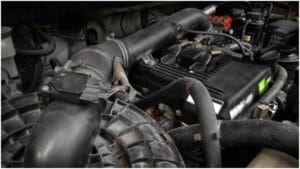
Without the brake booster, the brake pedal will be stiff and.
Symptoms of a leaking brake booster include a hissing noise coming from the brake pedal area and lack of brake assist A leaking brake booster is a safety concern and must be replaced. The cost to fix a brake booster vacuum leak can vary depending on the cause of the leak and whether you choose to diy the repair or take it to a mechanic Replacing a vacuum line might only cost a few dollars, while replacing the entire brake booster can cost several hundred dollars.
The brake booster is quite delicate so you need to pay attention to your car and note those symptoms it displays when the brake booster check valve is about to develop a fault or has a vacuum leak. However, when there is a brake booster vacuum leak, the vacuum pressure gets disrupted, leading to a hard brake pedal, longer stopping distances, and reduced braking power A vacuum leak can be caused by several issues, such as cracked vacuum hoses, a damaged check valve, or a faulty diaphragm within the brake booster itself. But what happens when this vital component starts to leak air

A leaking brake booster can significantly compromise your braking performance, leaving you vulnerable in critical situations
Understanding the causes, symptoms, and repair process for a leaking brake booster is essential for ensuring your safety and the safety of others on the road. Fluid leakag e is typical for hydraulic booster failure Electronic brake boosters housed with the master cylinder may also develop leaks that affect their performance. Discover the signs of a failing brake booster, such as difficulty braking and spongy pedal feel
Learn how to recognize symptoms of a faulty brake booster check valve, vacuum leak, and more. Gain insights into testing methods to confirm a bad brake booster and know when it's time for a replacement. Discover the vital role of brake boosters in your vehicle's safety and learn how to diagnose vacuum leaks effectively Additionally, when vacuum leaks occur due to a faulty brake booster, it can lead to a variety of symptoms

Drivers might experience a rough idle, decreased engine performance, or unusual changes in braking feel.
In this guide, we will delve into the various factors that can lead to brake booster failure, discuss the telltale signs that indicate a potential problem, and provide practical solutions to address this issue Leaks in the vacuum lines, hoses, or brake booster itself can disrupt the vacuum, resulting in reduced or complete loss of brake assist. Quick vacuum test on the booster showed that there is no drop in vacuum over a 60 seconds.its just like there is a vacuum leak only when i press the brake pedal. A bad brake booster produces different symptoms such as a stalling engine, hard brake pedal, hissing sound while braking, or brake warning light illumination.
What is a brake vacuum pump